
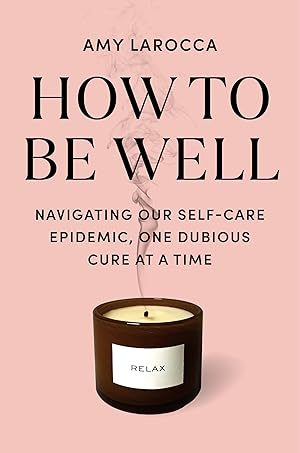
Travel back in your mind to the late 90’s, when perhaps the most complicated question on people’s minds – other than why does AOL keep mailing us all these discs? – was “who moved my cheese?” We’re talking peak self-help era when someone named Spencer Johnson could sell tens of millions of copies of a parable posing that inane question. Self-love, self-acceptance, self-care all followed in the intervening decades, with plenty of money to be made along the way by would-be experts looking to cash in. Back to today. We may have hit peak wellness as explored by Amy Larocca in her 2025 release, How to Be Well. The book is clever and informative, and Larocca comes off remarkably vulnerable in the way she portrays herself as guilty as those she reports on of “the longing for a magic fountain or bullet.” She’s game to try anything, from seminars to soaps, on a mission to become a well woman, all to the reader’s benefit, if not Gwyneth Paltrow’s.
Paltrow, the insufferable huckster behind Goop and the “almost comic, if not harmless” advice it doles out, is not the only charlatan referenced herein. Showmen have been traveling the globe for centuries pushing kooky “cures” of all manner. While medicine road shows have long been outlawed, the author says what we witness today can been seen as a distinction without a difference. Kourtney Kardashian endorses eating dirt through her wellness website, specifically pointing out the type to consume which is – and I’m quoting here – “not, shall we say, dirty.” (You cannot make this stuff up.) We meet influencers at every turn. Johnson writing a puddle-deep book 30 years ago about adapting to change is one thing, but now anyone with a microphone can preach from what Larocca calls a new kind of pulpit. Try this wearable monitor, use this organic eye cream, guzzle this mushroom tea, on and on. Investments in digital health start-ups hit record highs earlier this decade, all replete with “ideas informing not only how we spend but also how we eat, sleep, think, worry, and dream.” Calgon, take me away!
The internet’s outsize impact aside, another explanation for all this blather is the changing medical industry. We learn that the average American spends just nineteen minutes a year in conversation with a primary care doctor. So, there’s a yawning void to be filled and it’s ridiculously easy to find supposed answers on YouTube or TikTok or some random podcast with a handful of downloads. Larocca writes in the Conclusion: “I am constantly alarmed by how many of the well-founded fears associated with traditional medicine are being replicated in wellness alternatives.” She then walks a fine line in delicately confessing that the key to her health is socioeconomic, that she pays out of pocket for an annual one-hour consultation with a general practitioner who grills her on everything from exercise to the state of her marriage. You want to be well? Start by being wealthy, so you can afford whatever follow-up recommendations are made. Even if money is tight, maybe find $25 and buy her book. It’s got all sorts of zingers and one-liners that’ll make you chuckle. After all, haven’t we always been told that laughter is the best medicine?
If you have anything to say about this – or book recommendations – kindly post below (rather than emailing me) to spark conversation. Thank you!