
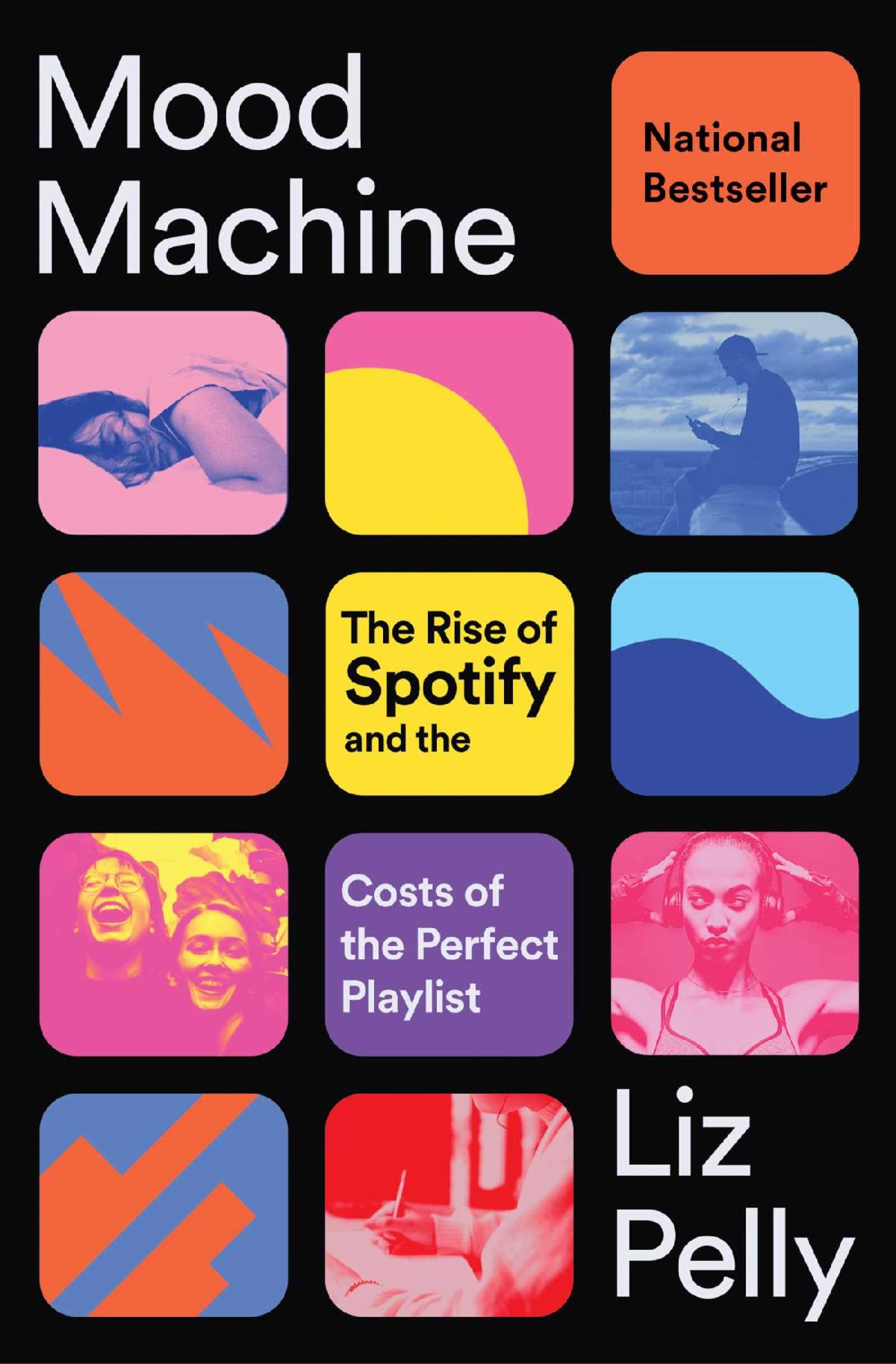
“Everyone wants an answer: What’s the ethical alternative to Spotify?” posits journalist Liz Pelly in the concluding chapter of her bestseller, Mood Machine. This after 230+ pages of findings from investigating the music & podcast giant for half of its checkered 20-year history. She takes us back to its early days, debunking the claim that it was founded to save the shrinking physical media industry. The original idea centered on video, and the company stumbled its way into audio as it discovered the files were smaller, fewer resources were required, and its home nation of Sweden struggled to solve music piracy. Co-founder and Executive Chairman Daniel Ek was (and, now only 43, remains) a young man focused on attaining wealth. Ek once infamously stated that Spotify’s only competitor is silence, meaning a distracted populace will settle for something – anything – playing in the background. With that point of view, he’s created a mercenary corporate culture where the mission is streaming ever cheaper, low-or-no royalty “perfect fit content,” whether that’s created taking advantage of AI or desperate flat-rate musicians for hire.
Herein lies the paradox: we the people want slick apps, and common sense would dictate that the inventors of such eventually need to operate in the black. Like most tech companies, Spotify had a long journey to profitability, achieved only a handful of quarters ago. What’s troubling is it likely doesn’t get there without the wild mistreatment of musicians. You’re probably aware that artists are paid a fraction of a penny per stream, a somewhat misleading yet true-enough reality. What’s eye-opening about Pelly’s book is her shining a light on Spotify’s three-sided marketplace: naturally it sells subscriptions and data, but then we learn about Spotify for Artists (aka S4A – so cute!) designed ideally for solo performers with no business acumen anxiously trying to find their way onto popular playlists. The company, writes Pelly, “has doubled down on creating new promotional products to sell to musicians, both through the direct sale of advertisements… and through ‘promotional opportunities’ offering exposure in exchange for lower royalty rates.” Banner ads? We can practically hear chuckling in the boardroom that such ruses work.
Just as complicit are the three major labels: Universal, Sony, and Warner. As literal owners of Spotify – 18% at launch, about one-third of that stake currently but of a huge and growing pie – they have outsized influence. “Streaming services cannot exist without the major label catalogs,” reports Pelly, “which puts the majors in positions of power when it comes to negotiating contracts.” Along with their digital daddies, the Big Three claim to be fighting fraud by demonetizing tracks that fall short of 1,000 streams annually, which is a mind-blowing 86% of plays on Spotify. The assertion is to be “artist-centric” and not reward those who produce white noise and so-called non-music content, but truth be told it’s about market share, down 10 points to a mere 75% as of 2022. CEOs aren’t bonused on shrinking streamshare, right? Please don’t get me started on the intrusions by venture capital, private equity, and the “royalty advance loan shark market,” although of course it’s important to know about these trends. So do read Pelly’s book or hear her interviewed on The Music Book Podcast. You know, on Spotify?
If you have anything to say about this – or book recommendations – kindly post below (rather than emailing me) to spark conversation. Thank you!
As a former music store manager, I spent decades cultivating my music library and continue to do so. I do not pay for a music streaming service but my YouTube includes it for free. I only listen to try out albums I intend to buy as physical media. I knew then as I know now that artists were being ripped off by streaming. It is worse than Napster in terms of the harm done to artists. The major difference is we are now willing to pay large corporate entities to rip off the artists we love. Nothing will change until we as the consumer change.
Why do you think music has gotten so bad? It’s all producers turning knobs and many celebrity artists cannot sing, write music or play an instrument. They just have a good image. Do everyone a favor and go buy a record and/or CD player and start shopping for physical music and movie media. If you don’t you are asking the real artists to work for free and that isn’t fair. Let’s all stop being part of the problem.
I so respect what you’re doing here, Karen and your passionate point of view. We truly are junkies for the convenience and support artists in other ways – tickets, merch, etc. – that hopefully more than offsets the negatives of streaming. Thank you for your perspective!